Marketing is the disciplined practice of understanding audiences, shaping value, and guiding decisions. When done well, it connects what people need with what organizations offer—clearly, ethically, and at scale. This article breaks marketing down into actionable components you can apply across industries.
What Marketing Really Means Today
Modern marketing goes far beyond promotion. It blends research, strategy, creativity, analytics, and operations to influence choices over time. The goal is not noise—it’s relevance.
Core outcomes of effective marketing
- Clear differentiation in crowded markets
- Consistent demand generation
- Long-term brand trust
- Measurable revenue impact
The Core Pillars of Marketing
1. Market Research & Insights
Strong decisions start with evidence. Research uncovers who the audience is, what they value, and why they behave the way they do.
Common methods
- Qualitative interviews and usability tests
- Quantitative surveys and panels
- Behavioral data analysis
- Competitive and category studies
2. Value Proposition & Positioning
A value proposition explains why a customer should choose you. Positioning ensures that message is distinct and memorable.
Effective positioning is
- Specific, not generic
- Audience-centered, not product-centered
- Consistent across channels
3. Branding & Storytelling
Branding shapes perception over time. Storytelling gives meaning to features and benefits by placing them in a human context.
Key brand elements
- Visual identity (logo, color, typography)
- Voice and tone
- Brand promise and proof points
4. Channels & Distribution
Choosing the right channels determines reach and efficiency. The best mix depends on audience behavior, budget, and objectives.
Common channels
- Search and social media
- Email and messaging platforms
- Content hubs (blogs, podcasts, video)
- Partnerships and events
Digital Marketing in Practice
Digital marketing enables precision, speed, and feedback loops that traditional media cannot match.
High-Impact Digital Tactics
- Content marketing: Educates and builds authority
- Search optimization: Captures existing demand
- Paid media: Scales reach quickly with control
- Lifecycle messaging: Nurtures prospects and customers
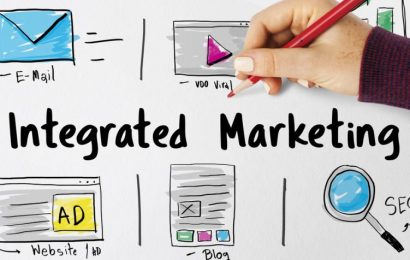
Success comes from integration—each tactic reinforcing the others rather than operating in silos.
The Customer Journey Approach
Marketing works best when aligned to the full journey, not just acquisition.
Typical stages
- Awareness: discovering a need or solution
- Consideration: comparing options
- Decision: choosing and converting
- Retention: using, renewing, and advocating
Mapping content and messages to each stage improves relevance and conversion rates.
Measuring What Matters
Metrics keep marketing accountable. Vanity numbers are easy; meaningful indicators require intent.
Actionable metrics
- Customer acquisition cost (CAC)
- Conversion and retention rates
- Lifetime value (LTV)
- Incremental revenue and lift
Regular testing and iteration turn data into durable advantages.
Ethical and Sustainable Marketing
Trust is a competitive asset. Transparent claims, respectful data use, and inclusive messaging are not optional—they are strategic.
Best practices
- Clear consent and privacy standards
- Honest representation of benefits and limits
- Accessibility and inclusivity by design
Conclusion
Marketing succeeds when insight meets execution. By grounding strategy in research, aligning teams around value, and measuring outcomes that matter, organizations can build growth that lasts—without sacrificing trust.
Frequently Asked Questions (FAQ)
1. How is marketing different from sales?
Marketing creates demand and shapes perception, while sales converts interested prospects into customers. They work best together.
2. What skills are most important for modern marketers?
Analytical thinking, communication, customer empathy, and the ability to test and learn quickly.
3. How long does it take for marketing efforts to show results?
Timelines vary by channel and goal—paid campaigns can show results quickly, while branding and content often compound over months.
4. Is a large budget necessary for effective marketing?
No. Clarity, focus, and smart channel selection often matter more than spend.
5. How often should a marketing strategy be updated?
Review quarterly and refresh annually, or sooner if markets or customer behavior change significantly.
6. What role does content play in marketing today?
Content educates, builds trust, and supports every stage of the customer journey.
7. How can small businesses compete with larger brands?
By specializing, telling authentic stories, and serving a clearly defined audience better than anyone else.